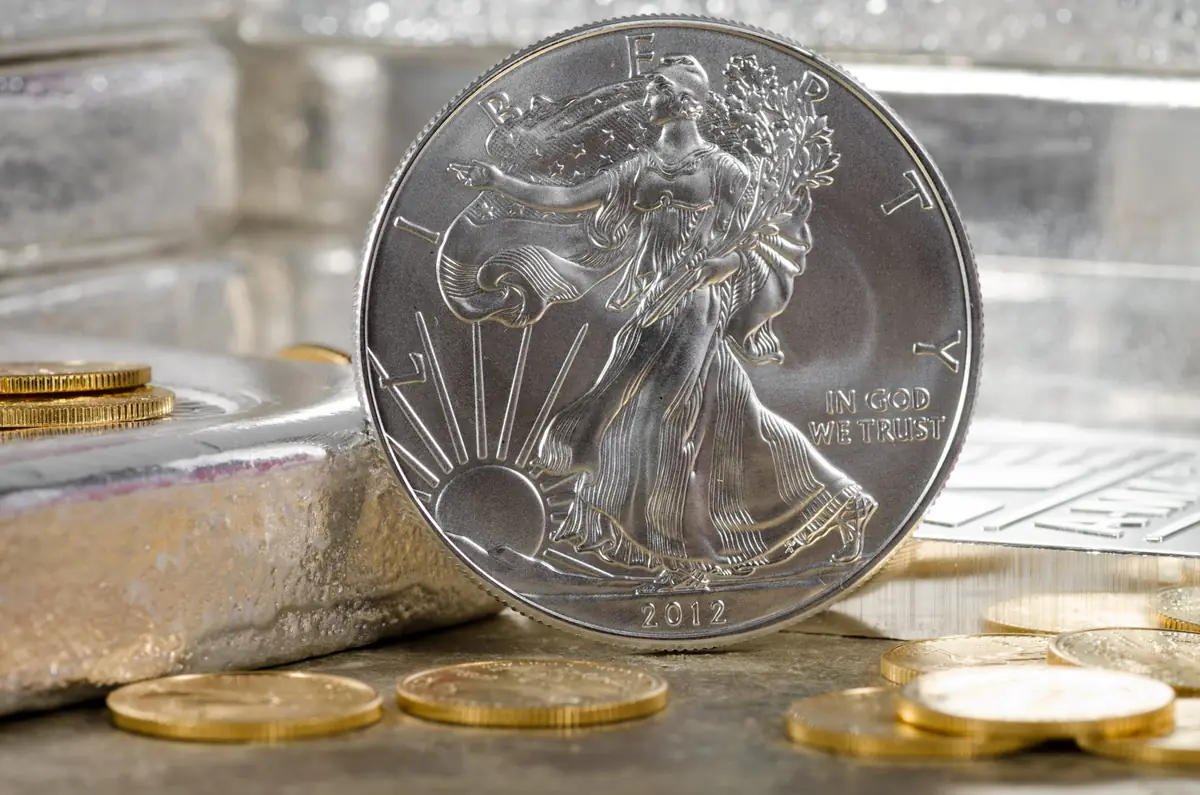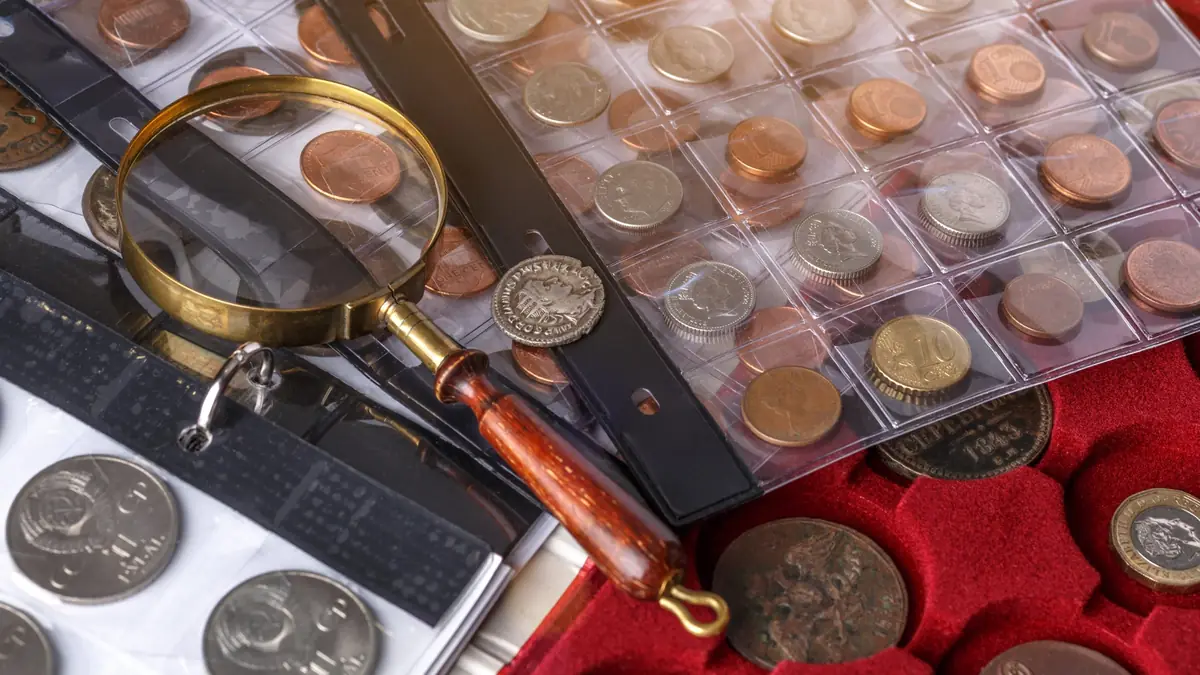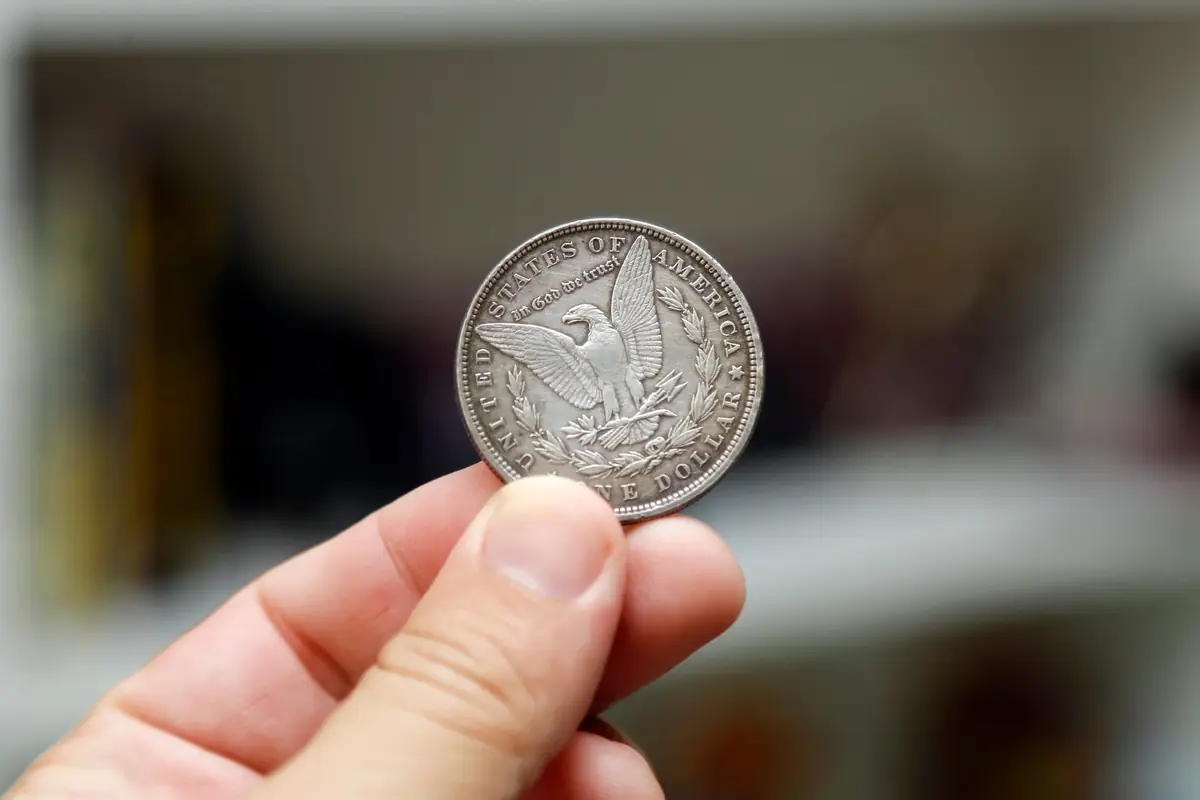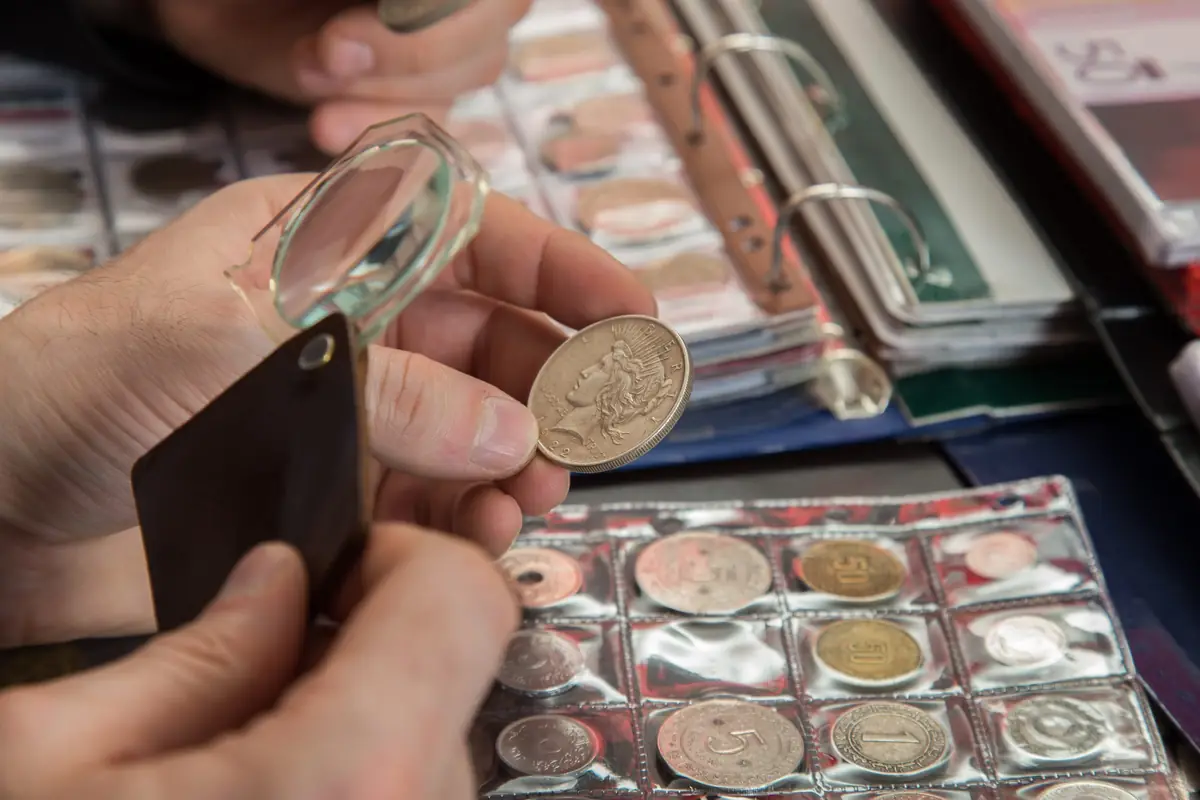
Many of the collections we see at our Hoboken office have been sitting in a closet, a drawer or a basement for years. Sometimes they come out looking just as they did when they went in. Other times the coins have toned, spotted or turned green because of how they were stored. The good news is that storing coins properly is simple and not expensive.
Start with How You Handle Coins
Storage starts the moment you pick a coin up. Skin oils and moisture can leave fingerprints that become permanent marks over time.
Hold coins by the edges, between your thumb and forefinger.
Work over a soft towel or felt pad so a dropped coin doesn't get nicked.
Don't talk or breathe directly over a coin you care about. Tiny drops of saliva can leave spots.
Never clean, polish or rinse coins. Cleaning removes the original surface and almost always lowers collector value.
Choosing the Right Holders
Not all coin supplies are safe. The biggest problem is soft plastic that contains PVC, which can break down over the years and leave a sticky green film on coins.
Hard plastic capsules: a good choice for individual silver and gold coins.
PVC-free flips: fine for everyday storage. If an old flip feels soft and oily, move the coin out of it.
Albums and folders: great for sets like Lincoln cents or state quarters. Choose archival-quality albums. Older cardboard folders can tone silver coins over time.
Graded slabs: coins already graded by PCGS or NGC should stay in their holders. Don't crack them open.
Original government packaging: keep proof sets and mint sets in their original holders and boxes. Collectors usually prefer them that way.
Humidity Is the Quiet Enemy
Moisture causes most of the damage we see. Copper spots and darkens, and silver tones faster in damp air. Here along the Hudson, humid summers and damp basements are common, so where you keep a collection matters.
Keep coins in a living area with a steady temperature, not in a basement, attic or garage.
If your building has a history of flooding, keep coins well off the floor.
Put a few silica gel packets in the storage box and replace them now and then.
Keep coins away from rubber bands, household cleaners and fresh paint. Fumes can tarnish them.
Bank Box or Home Safe?
A safe deposit box protects against theft and fire, but vault air can be humid too. Use airtight containers with silica gel there as well. Keep in mind that the contents of a safe deposit box are not insured by the FDIC, so check your own insurance. A home safe is convenient, but it should be bolted down and kept in a dry room.
Keep a Simple Inventory
A list of what you own is one of the most useful things you can leave your family. Write down each coin or set, where it's stored and anything you know about where it came from. Clear photos help too. If you ever need to insure the collection, divide it among heirs or sell it, that list will save a lot of time and guesswork.
Common Mistakes We See
Coins loose in a jar or a sock, rubbing against each other
Silver coins wrapped in old newspaper or kept in envelopes that aren't acid-free
Valuable coins taped into homemade holders
Collections stored in damp basements
Coins "cleaned up" before being shown to a dealer
Not Sure What You Have?
If you've found a collection in storage and aren't sure what condition it's in, or whether it's worth upgrading the holders, bring it in exactly as it is. We'll look through it with you and tell you which pieces deserve extra care.
Honest Coin Shop
46 Newark St, Suite 201 (above Barsky Gallery), Hoboken, NJ 07030
Walk-ins welcome. Appointments preferred for dedicated service. Call (347) 580-9541 with any questions about your coins.